This guide covers the practical decisions: scale, format, venue, speeches, and the gift presentation. It's aimed at the person organising it: usually a manager, a close colleague, or a family member who has been landed with it.
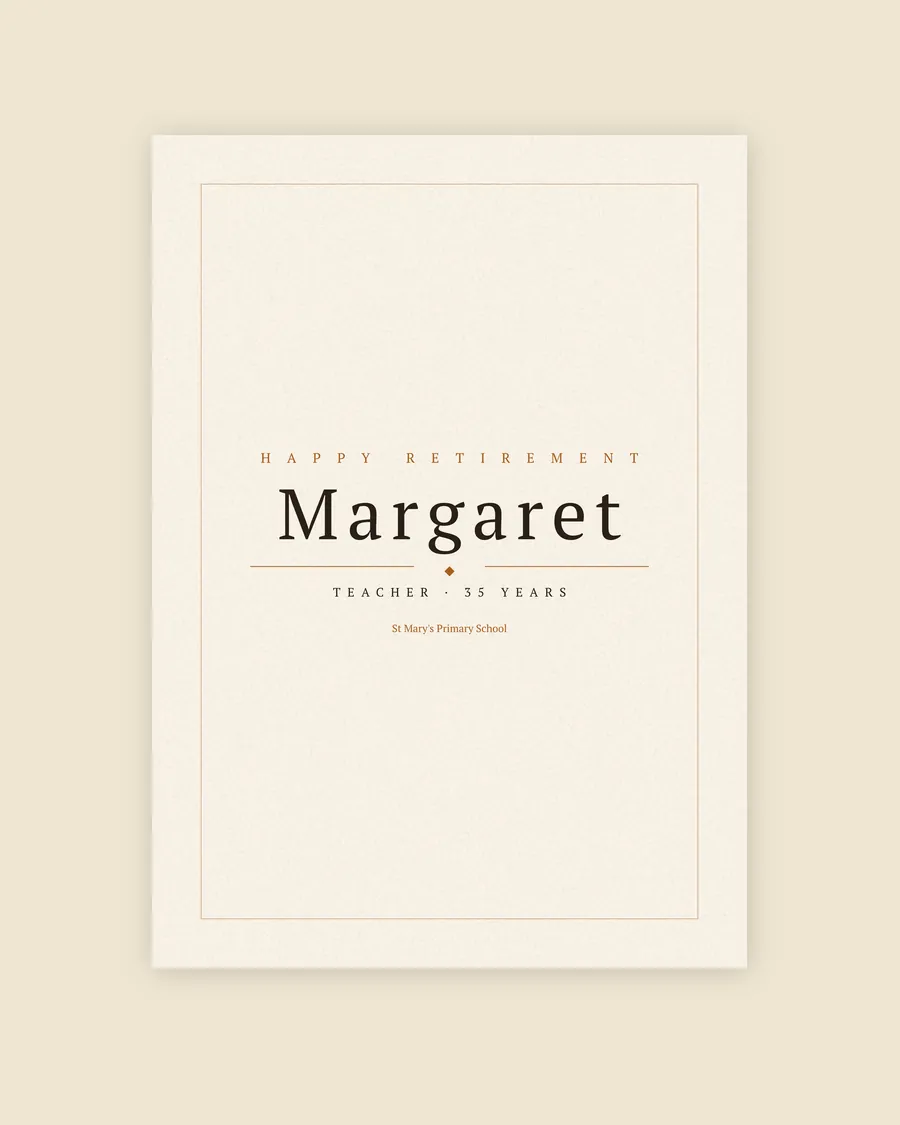 The Personalised Name Print From £15.99
Poster
Their name, their profession, their years of service and where they worked, set in type beneath a Happy Retirement line.
See all sizes and pricesStart with what the retiree actually wants
Before any venue is booked or invitations sent, find out what the person retiring actually wants. Some people love a party in their honour. Others find it mortifying and would prefer something low-key. Neither is wrong: the party should serve the person, not the planner's sense of what an occasion should look like.
Ask directly or go via someone close to them. The answers shape everything: scale, format, guest list, level of formality.
Size and format options
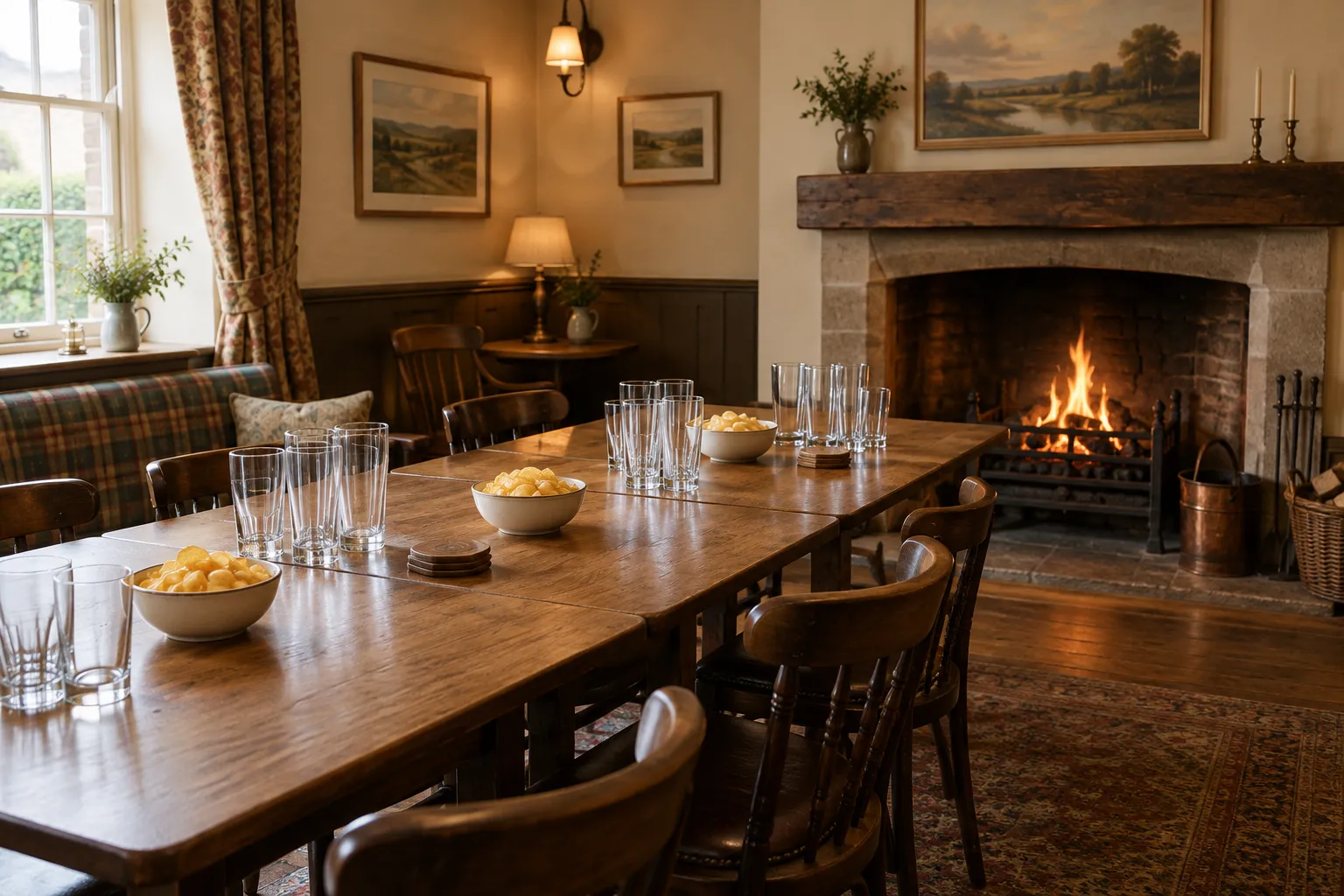
The team gathering (8–20 people)
A drinks and nibbles event in a function room, a private dining room, or even a well-chosen pub. This format works well for office retirements where the close team is the main audience.
- Duration: 1.5–2.5 hours, usually after work or at lunchtime on the last day
- Format: mingling, a short speech from a manager or colleague, gift presentation
- Cost: a drinks-and-food package or a bar tab, plus a shared gift
This is a common retirement party format for work retirements, and an easy one to run well: it's manageable, it stays in living memory for everyone present, and it gives people time to actually speak to the retiree.
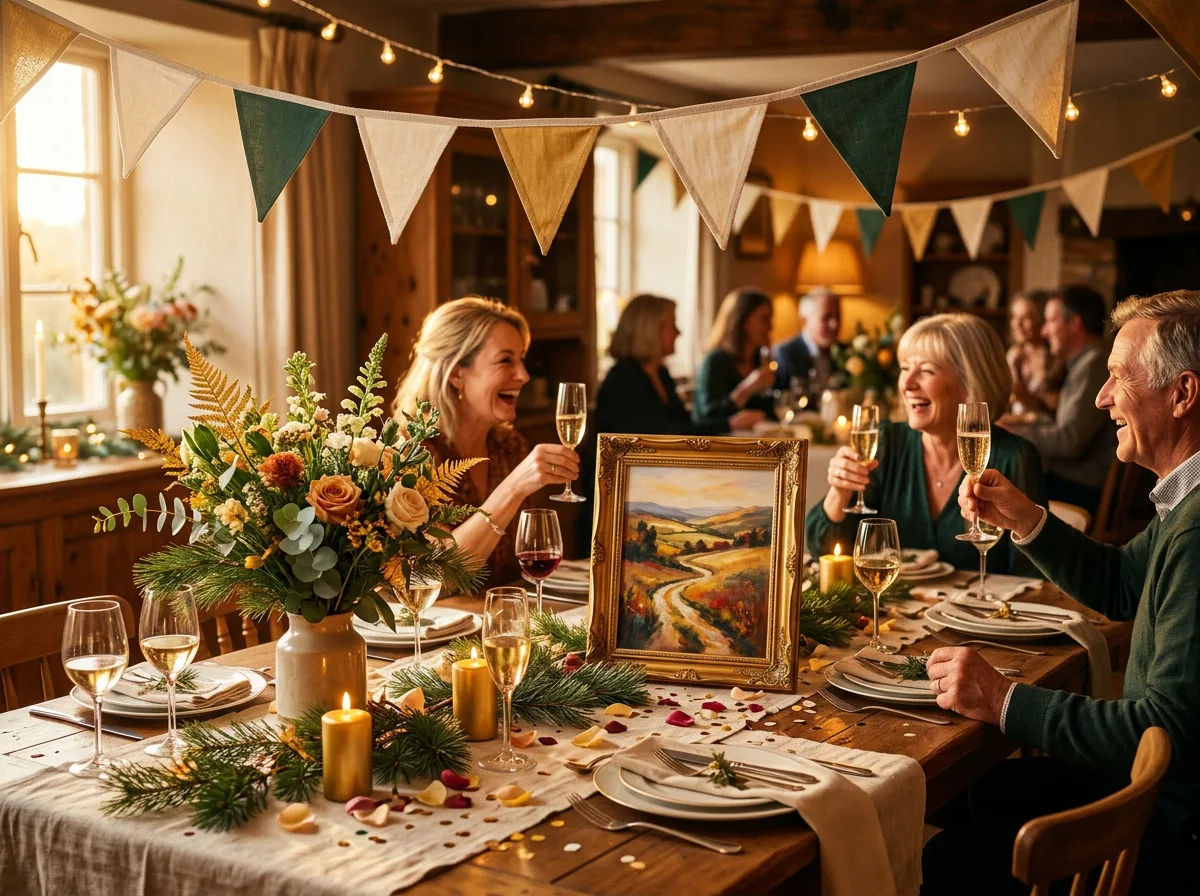
The family and friends gathering (20–50 people)
A more deliberate event: typically held on a weekend, in a venue with a private room, combining family and close friends with perhaps some former colleagues. This format suits someone retiring from a long career where the occasion has significance beyond the workplace.
- Venue: private dining room, function suite, or a garden in good weather
- Duration: 2.5–4 hours, usually a sit-down or buffet lunch/dinner
- Speeches: one or two from family, one from a close friend or former colleague
- Gift: the personalised gift is typically presented here, by a family member or close friend
The large gathering (50+)
Reserved for retirements that are genuinely significant in scale, 35+ years of service, a senior role, or a public-facing career. These require proper event planning, a booked venue, and a clear running order. For most retirements, this scale is unnecessary and can feel more like an obligation than a celebration.
Venue options worth considering
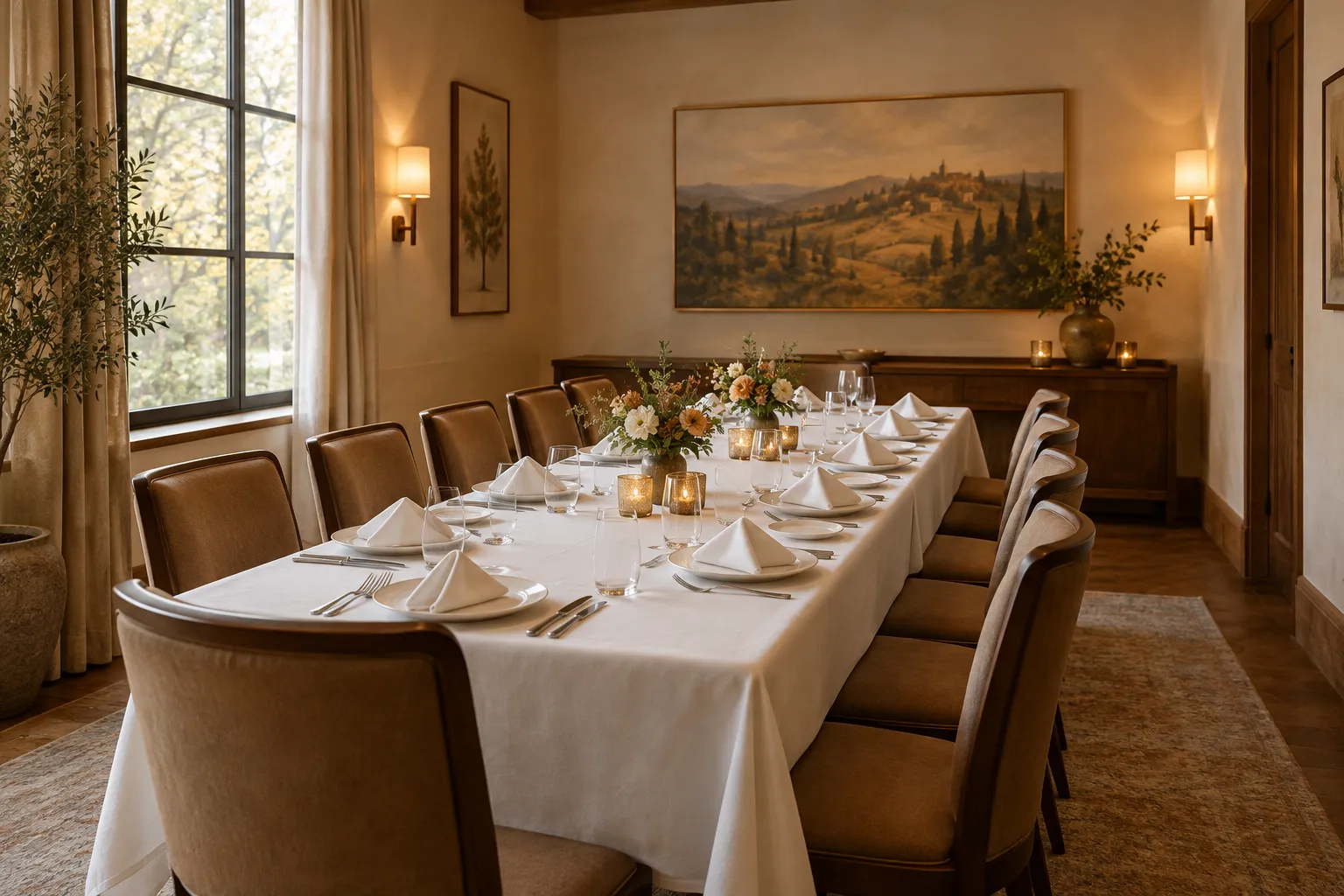
Restaurant private dining room: works well for 12–30 people; most can be booked for the price of a set menu. The formality level is easy to calibrate: you're in a real room, not a pub corner, but it's not as corporate as a hotel function suite.
Hotel function room: good for 40+ people with a structured programme. Catering is handled, which removes a significant planning burden.
Pub or bar function room: the right choice for an informal work-based gathering. Many have private spaces that can be booked. Relaxed, easy, no-fuss.
Garden or outdoor setting: weather-dependent, but a summer retirement has a strong case for an outdoor setting, a marquee, a terrace, or a garden hire. It's the most joyful format when the weather cooperates.
Home: for an intimate family retirement celebration, a well-organised home gathering is often the warmest option. The logistics fall on the host, not a venue, but the result is personal in a way no venue can fully match.
The speech
A retirement speech has one job: to make the retiree feel genuinely seen, not just generally thanked. The structure that works:
- Open with a specific memory or observation about the person, not a general comment about their role or career
- Name one or two things they brought that their replacement won't be able to simply replicate
- Acknowledge the scale of what they've given: years of service, specific contributions, the effect on those around them
- Look forward: what you hope for them, not what you assume they'll do
- Toast
Keep it to four or five minutes. Longer speeches at retirement events almost always outstay their welcome, however well-intentioned. If you have more to say, put it in a letter tucked inside the card.
For multiple speakers, agree in advance who is covering what: repetition of the same anecdote from different speakers is a common pitfall.
The gift presentation
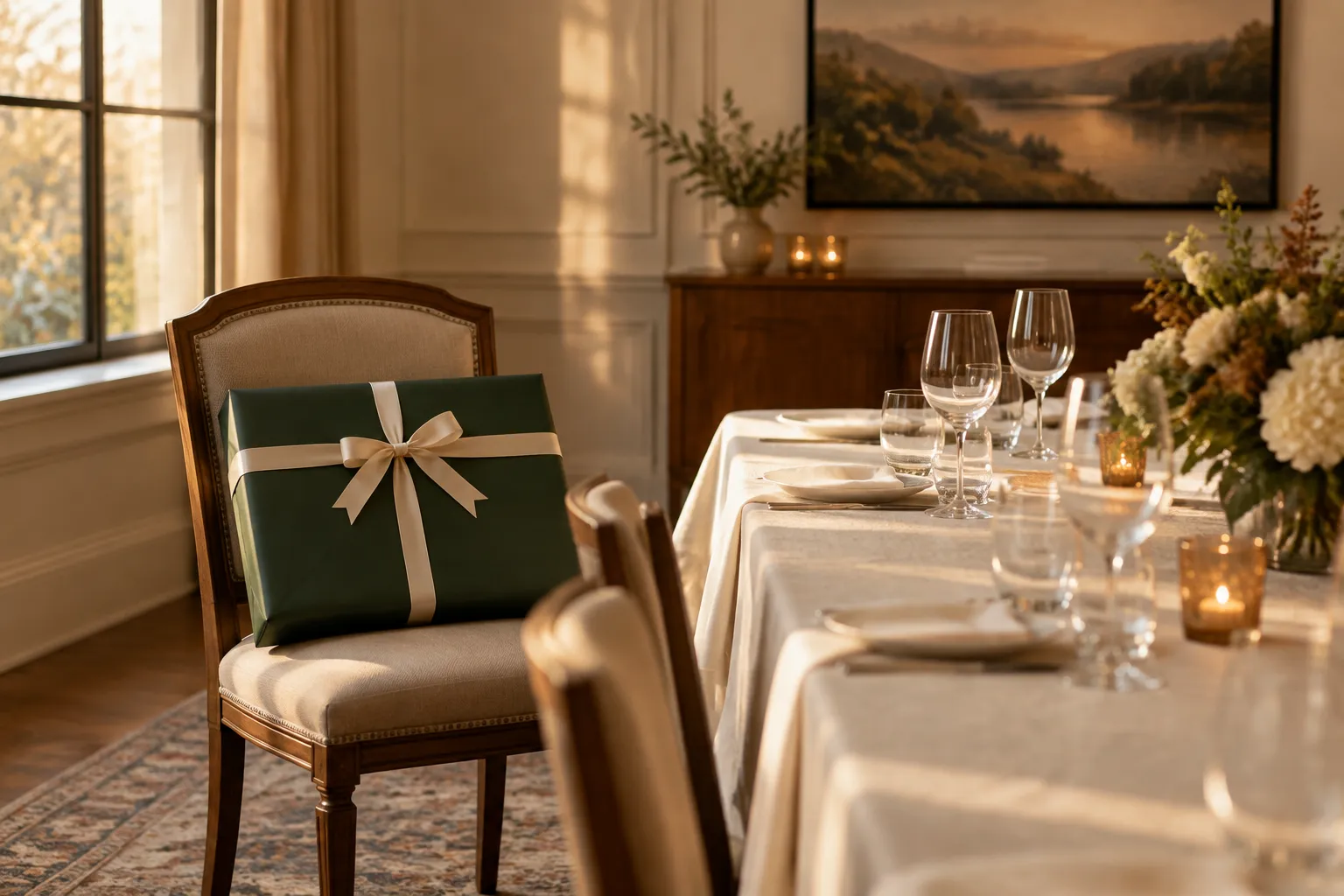
The moment the gift is presented matters. For a personalised framed canvas or framed print, the unwrapping is its own moment: the art is visible immediately, the name and career details readable from across a room. That's different from an envelope or a hamper, which require explanation.
For the presentation to land:
- Appoint one person to do the presentation, not a group
- Keep the speech before the gift brief, let the gift itself do the work
- Have the card signed and ready; pass it alongside the gift
For the gift itself, organising a group retirement gift covers the options that work best for a formal presentation moment; a framed canvas carries the moment because it's visually clear that it's a significant gift, and the personalisation (name, dates, years of service) makes it immediately and obviously theirs.
You can personalise it on the name print page or, if you have a photo to work from, on the portrait page.
A few things that add something without adding complexity
A memory book. A sheet of A4 sent to colleagues and family in advance with a simple prompt ("Write a memory or message for [Name]") produces something genuinely touching. Collect the responses into a bound booklet or folder. Cost: almost nothing.
A photo display. A few printed photos from across the career (ideally including some from early on) gives people something to gather around and talk about. Print them at a local pharmacy, tape them to a display board, done.
A retirement quiz round. For a relaxed gathering with people who know each other, a short quiz round about the retiree (favourite holiday, year they joined, career highlight) adds a light-hearted structure to the middle of the event.
The National Trust gift membership. For someone retiring with plans to walk and explore, a National Trust membership is a practical addition alongside the main gift.
The one thing that matters most
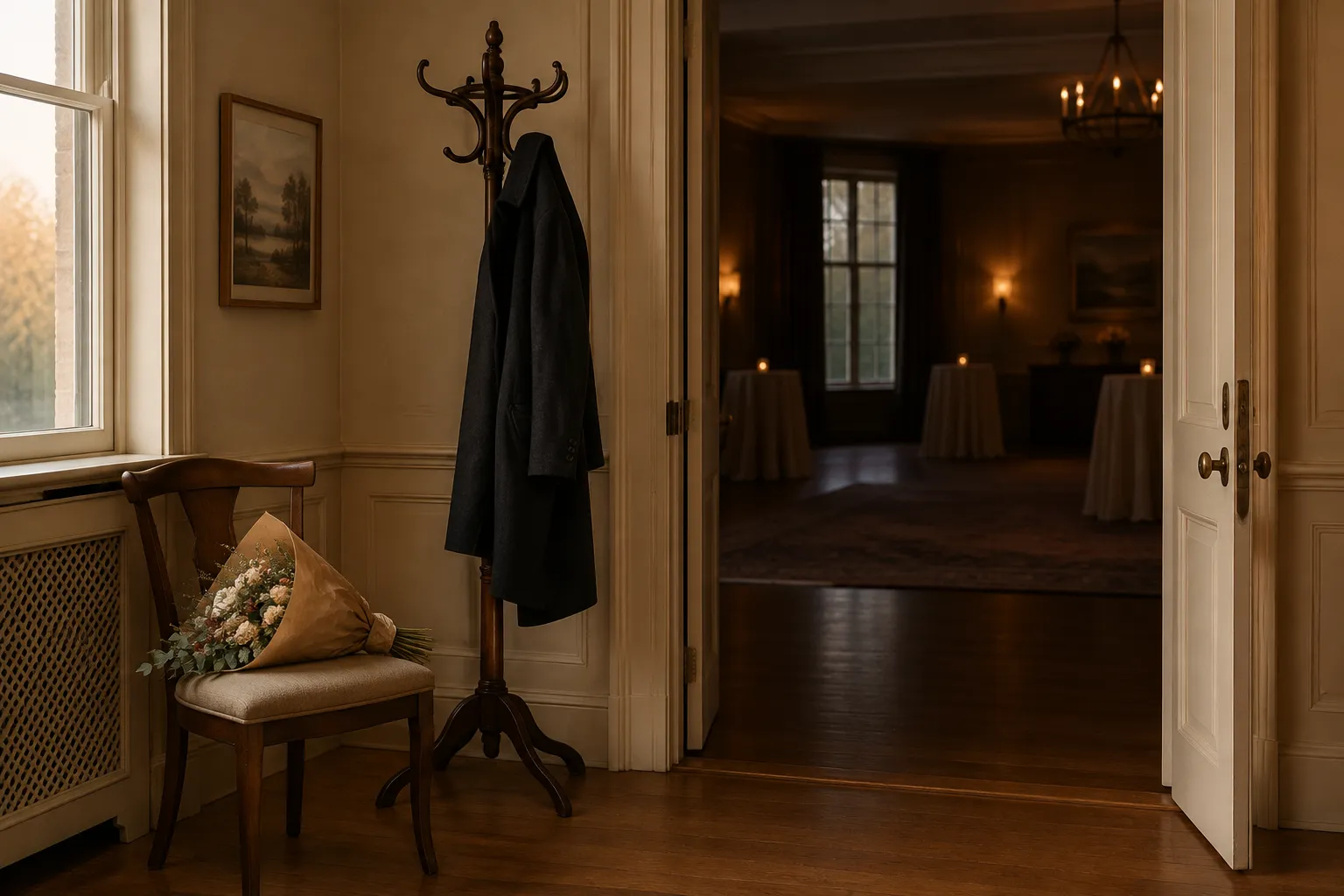
The scale of the party is far less important than the sincerity of the occasion. A small gathering where people genuinely speak to the retiree and where the speech names something true about them is worth more than a large, well-catered event where the speeches are generic and the gift is an afterthought.
Plan around the person. Get the speech right. Choose a gift that names them specifically. The rest is logistics.
Start with the personalised retirement gifts collection for the presentation gift, or browse framed art and canvas for the versions that hang on a wall.
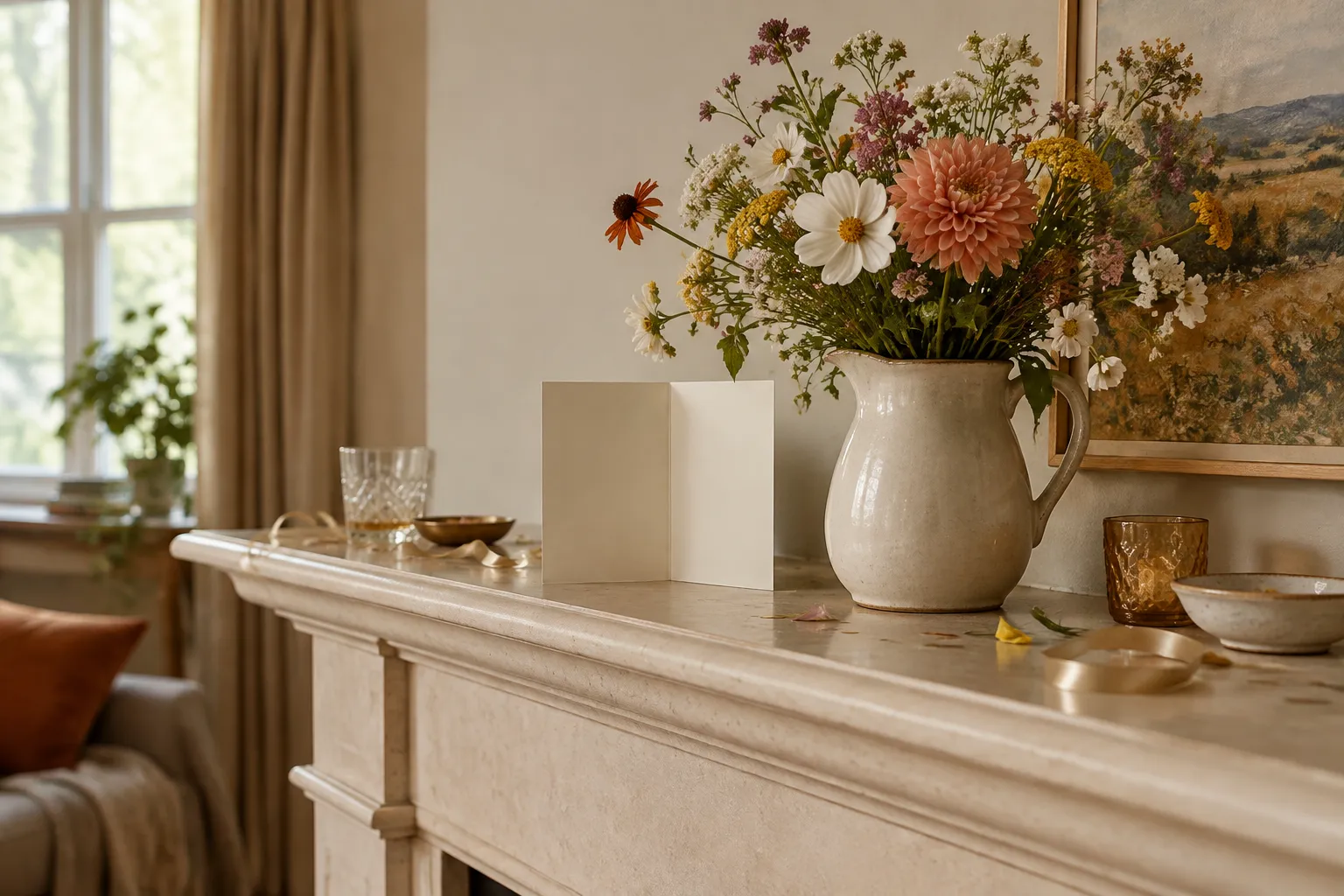
This piece belongs to the next chapter, the stage that covers the send-off, not the shopping. Next to it are what to write in a retirement card, which is the part most people leave until the morning, and retirement quotes for the words the speech reaches for.